South America - (part one)
Grenada to Puerto La Cruz
Click here for a map of progress from Grenada to Panama.
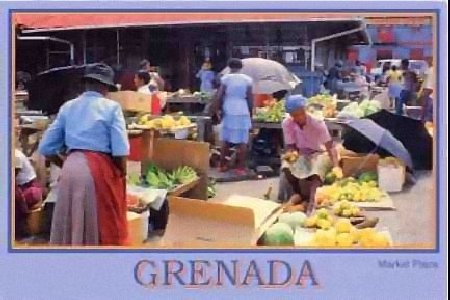
At the end of our stay in Grenada, to assure ourselves we still knew how to sail, we made a trip up to the island of Carriacou and the nearby tiny strip of land inhabited only by pelicans - Sandy Island. The area for anchoring at Sandy Island was quite limited and we were anxious not to get caught in the large patch of weed we saw so had to circle round to try again: only later whilst swimming right through it did we realise that the dark patch was really a huge shoal of tiny fish - no wonder the pelicans liked it there! By the time we left Grenada we had visited the nutmeg processing factory (fascinating), done a rum distillery (tasty!), got rid of our superfluous items at the boat jumble sale and acquired charts for the Pacific, so it was time to sever the ties we had made: we felt quite sad as we said our goodbyes at the beginning of October.
Our first taste of Venezuela came in Los Testigos - a small group of dry islands with few inhabitants and little vegetation. We stayed a couple of days and enjoyed not only swimming in the clear water, but also being visited by the Guarda Costa who took their time over cokes & beers as they checked the boat over. We called in at the island of Margarita but we left, when Tropical Storm Jerry was approaching, for the more sheltered anchorage at Isla Coche: it was tricky getting past the sand bar but we were rewarded with fireworks in the evening from the village on the shore, then the magic of seeing skimmers feeding on the calm lagoon the next day. Jerry came to nothing in the end.
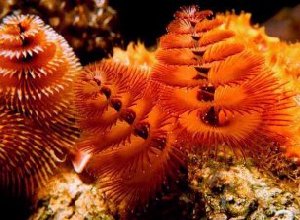
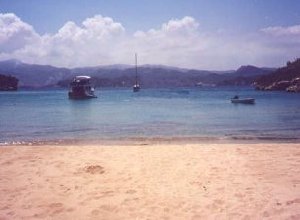
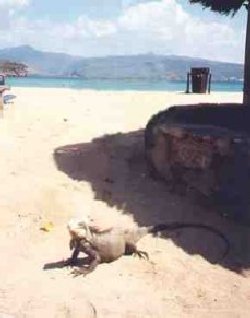
On to Isla Cubagua: here was the first European settlement in America (for pearls) and we had an interesting walk past the salt flats to the ruins of the town of Nueva Cadiz (founded 1492) where you can still see heaps of oyster/mother of pearl shells (pearl fishing prohibited since 1962). From there we were going to anchor at one of the Islas Caracas but were warned not to as we were on our own. So we went on to Playa El Faro on Isla Chimana Segunda. At last we saw the "Christmas tree worms" whilst snorkelling, and were entertained at the beach restaurant, whilst eating an excellent fish meal, by the tame iguanas outside which the kitchen staff feed with raw vegetable waste. Ironically this was where the only crime we have encountered took place - several shiny red mooring buoys disappeared overnight (fortunately not the buoy we were tied to!).
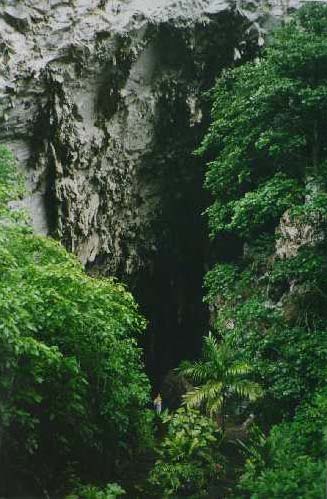
Now we are in the very civilised Bahia Redonda Marina in Puerto La Cruz. Rosie's day starts with water aerobics at 06.45 in the pool every morning, but she has yet to indulge in the "noodling" lessons (for exercise when in deep water). Other organised events include "Pot Luck" supper Monday evenings; dominoes Sunday afternoons; weekly bus trip to supermarket and boat chandlers, etc. We made our first trip out on Thurs/Fri - to the Guacharo Caves near Caripe staying overnight in a posada. We felt we had made a major triumph in achieving the journey as no-one we met spoke English and buses were infrequent. The trip back took 6 hours and we travelled in 6 different vehicles! This is a testament not only to our perseverance, but also the helpfulness of the local people in sorting out how we could get from A to B in one day. The area we stayed in is part of one of the many national parks, set in beautiful mountains.
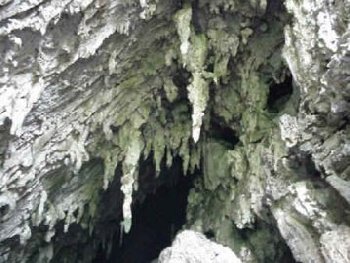
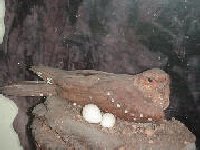
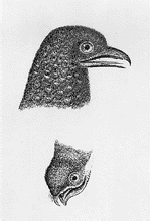
The main interest of the caves for us was the guacharos or oilbirds: they feed at night on fruits, and the seeds litter the cave floors and provide food for the many rats around. The experience was not unlike being in an Indiana Jones movie with the birds' gutteral squawks and churring at being disturbed, the scuttling of rats, crickets and crabs on the floor, and in an inner cave a heaving huddle of bats high up amongst the stalactites. We came across one guacharo on the cave floor (a young one, according to the guide) so were able to see the colouring and size well.
*Editor's note :- The area of Caripe is a picturesque mountain area of coffee, orange and pineapple plantations, and is where the Gaucharo Cave is situated. This is a huge cave, with many galleries and lots of stalactites and stalagmites. It has a huge population of Gaucharos (oil birds). 200 years ago the explorer Humboldt (after whom the current is named) found and explored the cave. He described how the Indians caught the Gaucharo birds for their fat. Thousands of these nocturnal birds live in the cave, and were slaughtered in the summer. They have a large fat store in the abdomen, which was melted in clay pots over an open fire. It is a very soft transparent fat, almost an oil (hence the name oilbird). It has no smell, and will keep for long periods without going off.
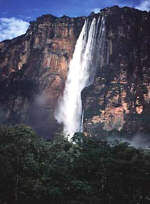
Our time is limited as we now have a tight schedule in order to meet Alexander in Panama City on December 16, but we are hoping to fit in visits to the Angel Falls and Merida before we leave the mainland. From our experiences so far we would encourage you to visit Venezuela, but leave it until you are over 60 as the air fares are reduced by 40% - we will have to come back as there is so much else to see! There is a down side though, many people seem really quite wealthy but the poor are very poor, a much less even spread of wealth than in the Windward and Leeward islands. This probably accounts for the significant amount of crime in Venezuelan cities.
Ed: We have just heard that Jim and Rosemary made it to the Angel Falls and the High Andes, but we don't have details yet. Here is a picture of the Falls to be going on with
Our plans are as follows: Leave Puerto La Cruz end October. Spend 2 weeks visiting the offshore islands including Aruba, Bonaire and Curacao. A 5-day passage to Cartagena in Colombia, about a week there, giving a 2-day trip to the San Blas islands where we have 10days, before reaching Colon in Panama, the first week of December. So: if you would like to communicate with us by old fashioned pen and ink (rather than email) to let us know how you and yours are faring, Alex could bring out your Christmas greetings! If you don't know his address contact him via email: Alex or via Yolande
 Click on the globe to view map
 Top of page